Fall Gardens, Winter Habitat & the Art of Doing Less
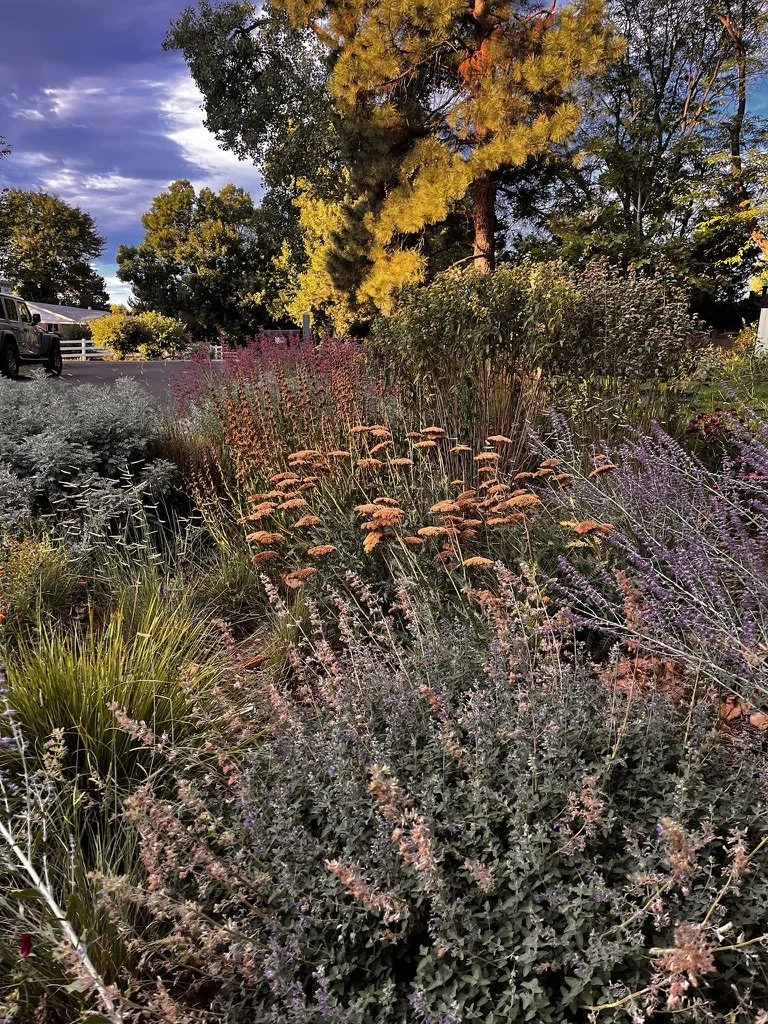
There’s something about a fall garden that speaks to me. The fiery rusts, deep burgundies, warm golds, and muted browns. The delicate architecture of dried flower heads, hearty bones, the movement of native grasses in the wind, and the way a low autumn sun catches every little detail. The garden takes on a whole new personality, and I think it’s one of the most beautiful stages of its life.
But what I love most about fall gardens goes far beyond their beauty. This is when a garden begins to show us what it was designed to do.
A garden doesn't end when the flowers fade.
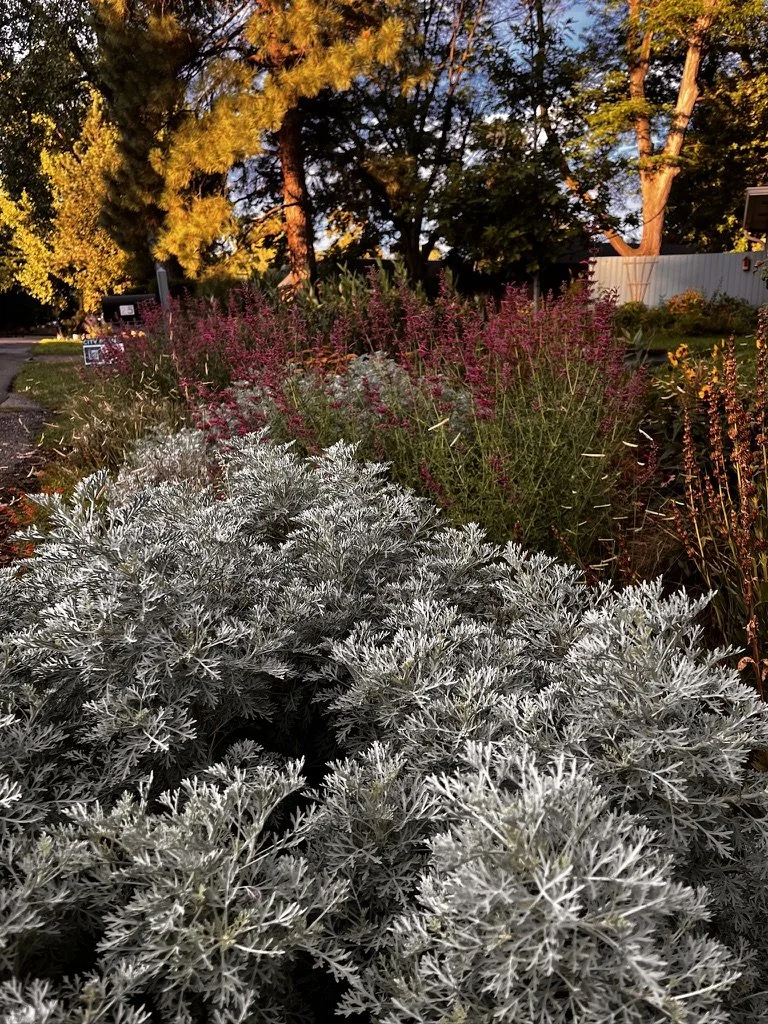
We’ve grown accustomed to thinking of fall as a time to clean up, cut everything back, rake every last leaf, and prepare our gardens for winter by making them look tidy. But nature has a different plan.
In a healthy, regenerative garden, the end of the growing season isn’t an ending at all. It’s a transition. What appears to be a garden winding down is actually a living ecosystem preparing for the months ahead.
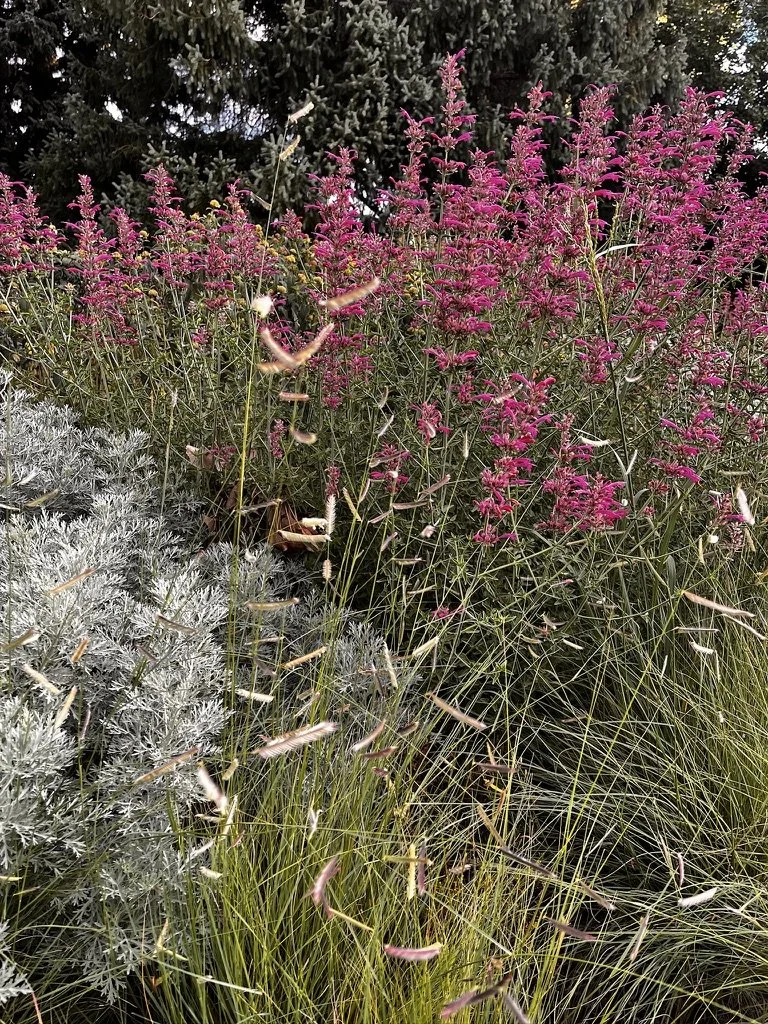
Blue Grama grass, Bouteloua gracilis, paired with Plant Select’s Agastache cana Sonoran Sunset®
Those dried flower heads we might be tempted to remove? They hold seeds that feed birds through winter. The hollow and sturdy stems left standing? They can provide shelter for native bees and other beneficial insects. The fallen leaves that collect beneath our plants? They create a protective blanket for the soil, helping insulate roots, retain moisture, and provide habitat for the small but mighty organisms that keep our gardens alive.
Even as the landscape appears dormant, life continues beneath the surface and within the plant material we leave behind. Insects overwinter in stems and leaf litter, soil organisms continue their work as conditions allow, and roots benefit from the natural protection of the garden around them.
This is regenerative gardening in action. Rather than removing everything that has finished blooming, we allow the garden to continue supporting the life that depends on it.
My favorite kind of winter interest
I’ll admit it. I love a garden that looks a little wild in the fall.
Give me the rich, earthy tones of fading foliage, the sculptural silhouettes of seed heads, and the soft, wispy textures of native grasses any day. I love how the garden shifts from the bright colors of summer into something deeper, moodier, and a little more unexpected.
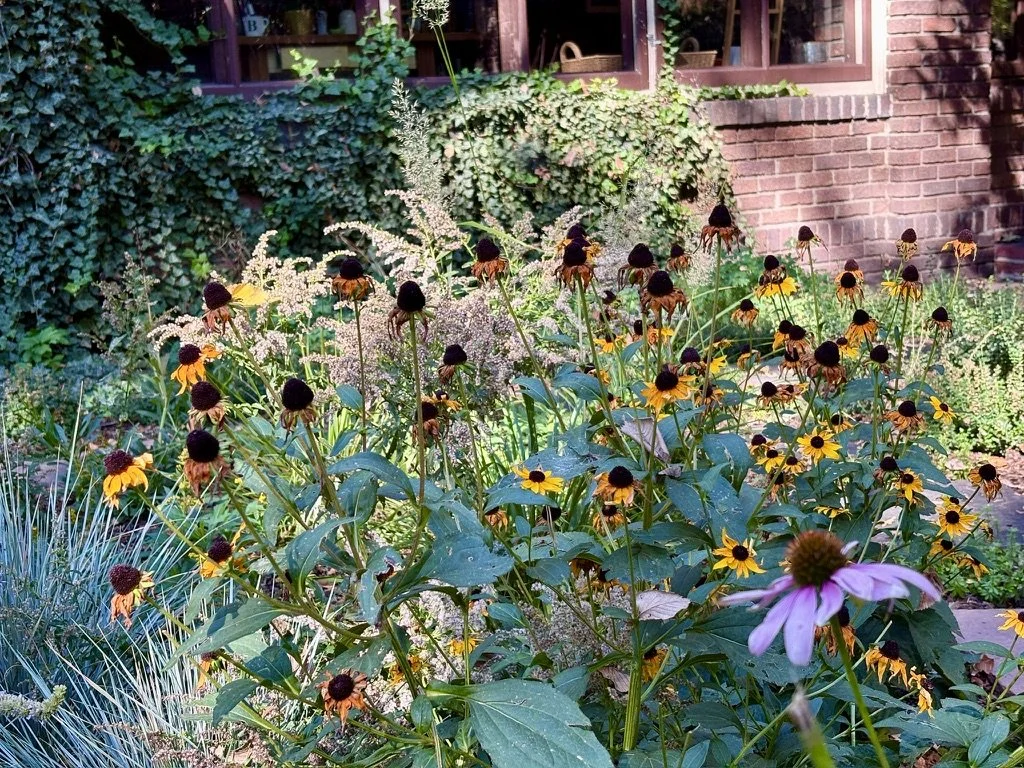
The Carriage House Garden designed & installed by Honeywood - Washington Park Pollinator Corridor Garden
Coneflower heads stand tall long after their petals have disappeared. Dried grasses catch the light and sway with the slightest breeze. Seed heads become tiny architectural details, and frost transforms ordinary stems into something extraordinary.
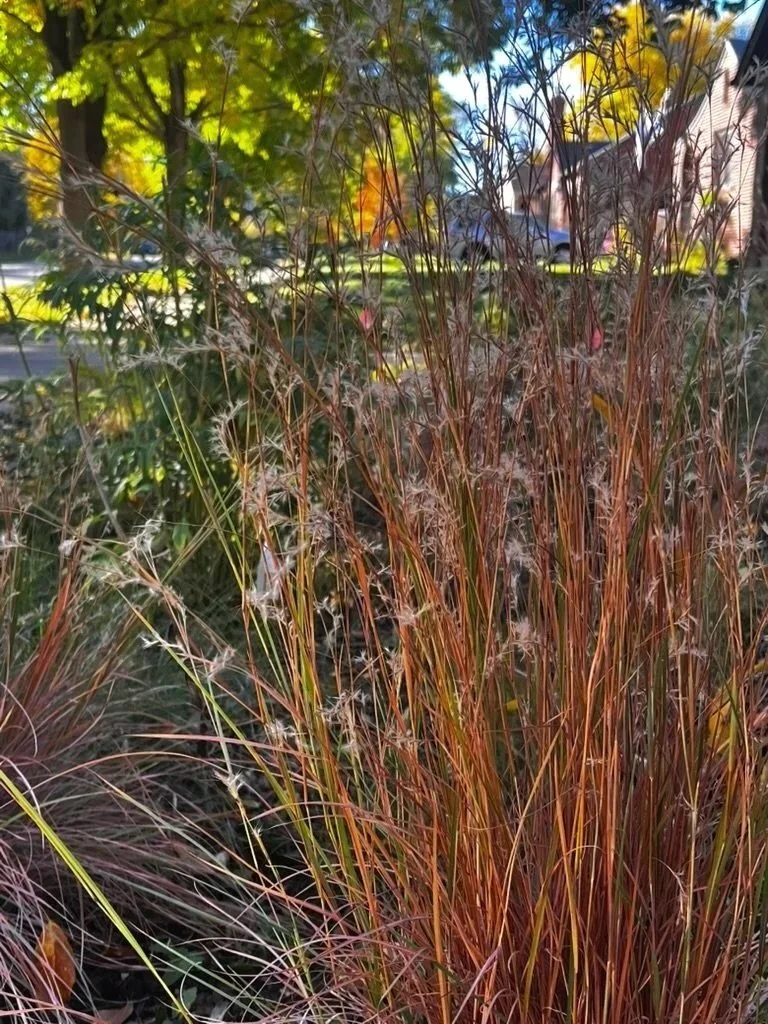
Little bluestem, Schizachyrium scoparium, takes on beautiful copper and bronze tones.
DIY Urban Habitat Garden designed by Honeywood
There is so much beauty in these quieter moments, and you begin to notice things you might have overlooked when everything was in bloom.
A garden doesn't need to be bursting with flowers to be beautiful. Sometimes, the most interesting gardens are the ones that embrace the natural life cycle of their plants and allow each season to have its moment.
And when the snow finally arrives? Those grasses, stems, and seed heads become even more striking against a white winter landscape. They add movement, structure, and a sense of life to a season when so much of the conventional landscape has been cut down and cleared away.
Leave a little mess. Make room for life.
One of the simplest ways to support your garden's ecosystem is to resist the urge to clean up every corner in the fall.
Leaving healthy perennial stems and seed heads standing provides food and shelter for wildlife. Allowing some leaves to remain in garden beds helps protect the soil and creates overwintering habitat for beneficial insects. Keeping the soil covered, rather than exposing it to the elements, is another important part of caring for the living foundation of your landscape.
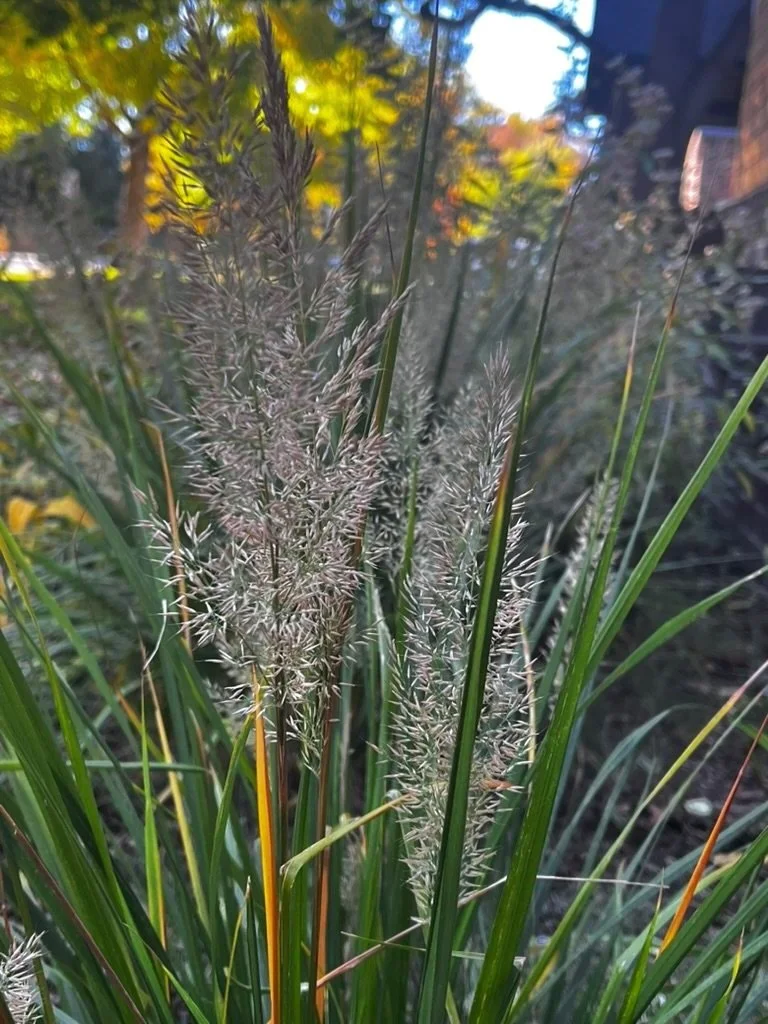
Healthy soil is so much more than dirt. It's a complex, living system that supports plant roots, cycles nutrients, holds moisture, and helps sustain the interconnected web of life in our gardens. When we work with natural processes instead of constantly removing, disturbing, or replacing what nature provides, we give that system a better chance to thrive.
Of course, leaving a garden standing doesn't mean ignoring plant health altogether. Diseased foliage, problematic plant material, and certain plants that benefit from fall cleanup may still need attention. The goal isn't to abandon the garden. It's to be more thoughtful about what we remove, what we leave, and why.
For me, that's the heart of regenerative gardening. Understanding that every decision we make in the landscape has an impact, even when that decision is simply to do less.
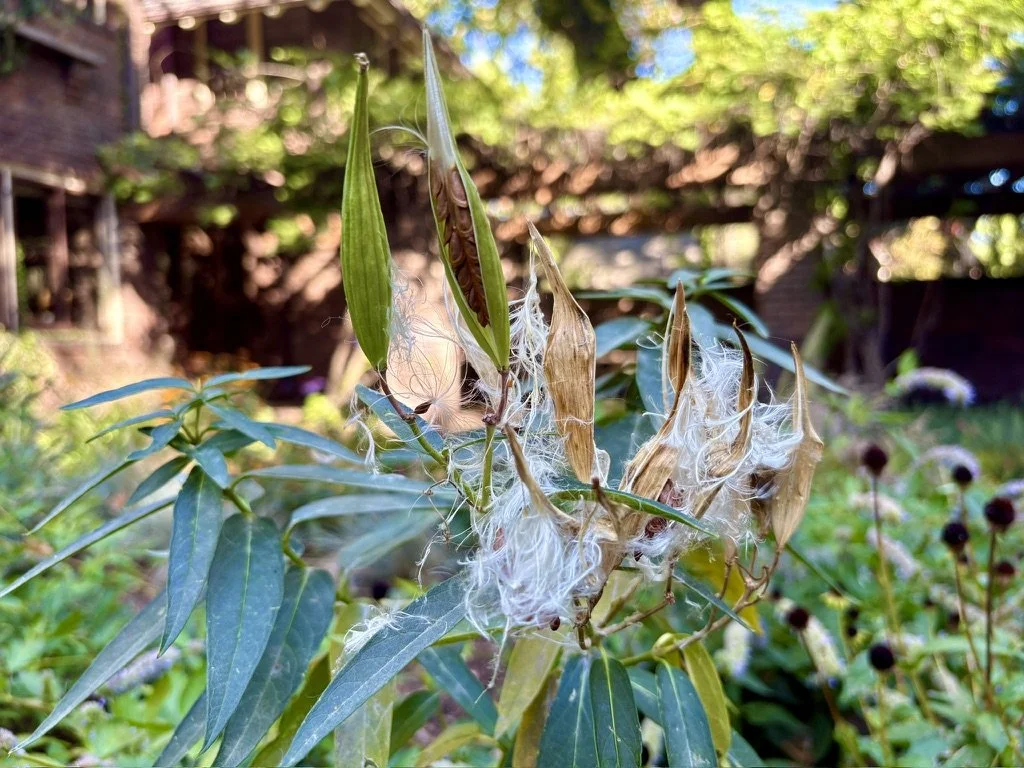
Swamp milkweed, Asclepias incarnata, seed heads - Native keystone species supports Monarch butterfly populations and other important pollinators.
Let your garden be a garden.
As we head into winter, I encourage you to take another look at your landscape before reaching for the pruners or leaf blower. Notice the colors, the textures, the seed heads, and the way your plants hold their shape as the season changes. Look a little closer at the spaces between them, too. There's more happening than meets the eye.
Your garden doesn't need to look freshly manicured to be cared for. It can be beautiful and a little untamed. It can offer winter interest while providing essential habitat for the insects, birds, and other wildlife that make our urban ecosystems possible.
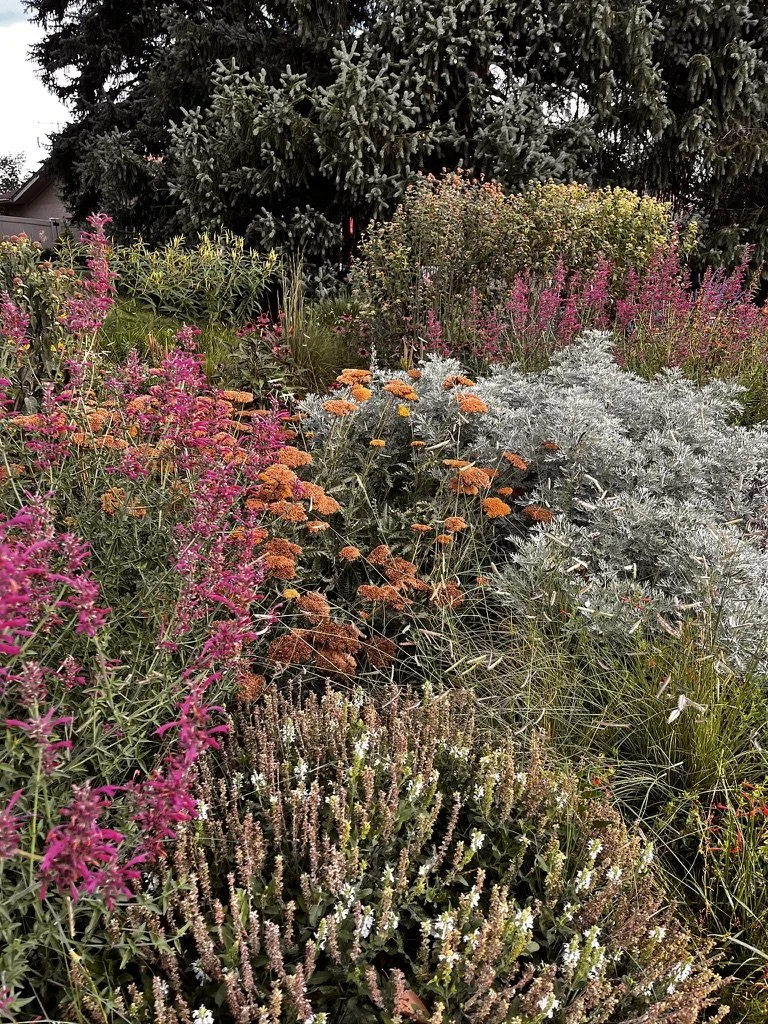
Paramount Heights Regenerative Habitat Garden designed & installed by Honeywood.
At Honeywood Garden Design, we believe our landscapes should do more than look good. They should support biodiversity, build healthier soil, conserve resources, and create meaningful habitat right where we live. And that work doesn't stop when the growing season ends.
So when the fall garden arrives, let's leave a few stems standing, let some leaves return to the soil, and appreciate the beauty of a garden that's doing exactly what nature intended.
Keep Your Garden Growing
A regenerative garden is a living landscape that grows and evolves with the seasons. Our seasonal Garden Management & Stewardship provides ongoing, hands-on care and guidance to help your established garden thrive. Through seasonal visits, thoughtful pruning, garden coaching, and selective plant additions, we help nurture healthy soil, strengthen biodiversity, and support the long-term health of your landscape.
Ready to give your garden the care it deserves? Explore our Garden Stewardship maintenance membership and let’s continue building thriving, resilient landscapes together.