Regenerative Gardening Starts With Community
Why Regeneration is About More Than Gardens
At Honeywood Garden Design, we believe regenerative gardening is about more than creating beautiful, healthy gardens. It’s also about connecting to the ground under our feet, plants, pollinators, wildlife, our neighborhoods, and one another.
A garden does not exist in isolation. Every landscape is part of a larger ecosystem, and the choices we make in our own yards can contribute to the health and resilience of the communities around us. That is why community is an important part of what we do and what we believe in.
Creating Connection Through Gardens
One of the things I love most about gardening is its ability to bring people together.
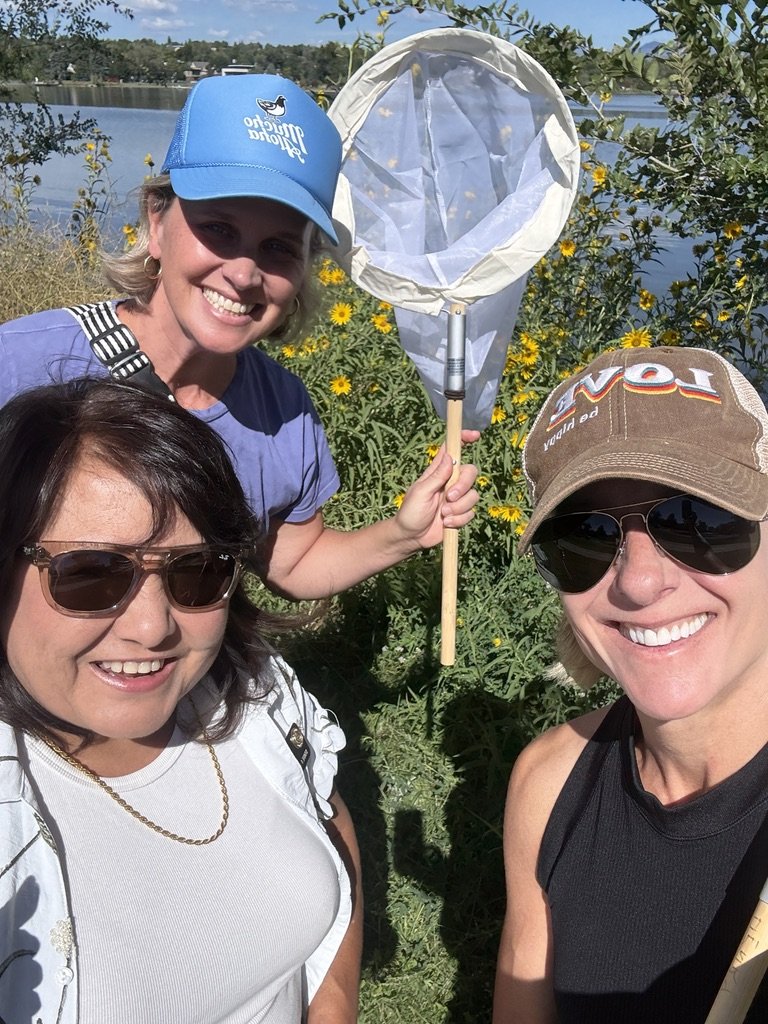
Environment Colorado bumblebee survey
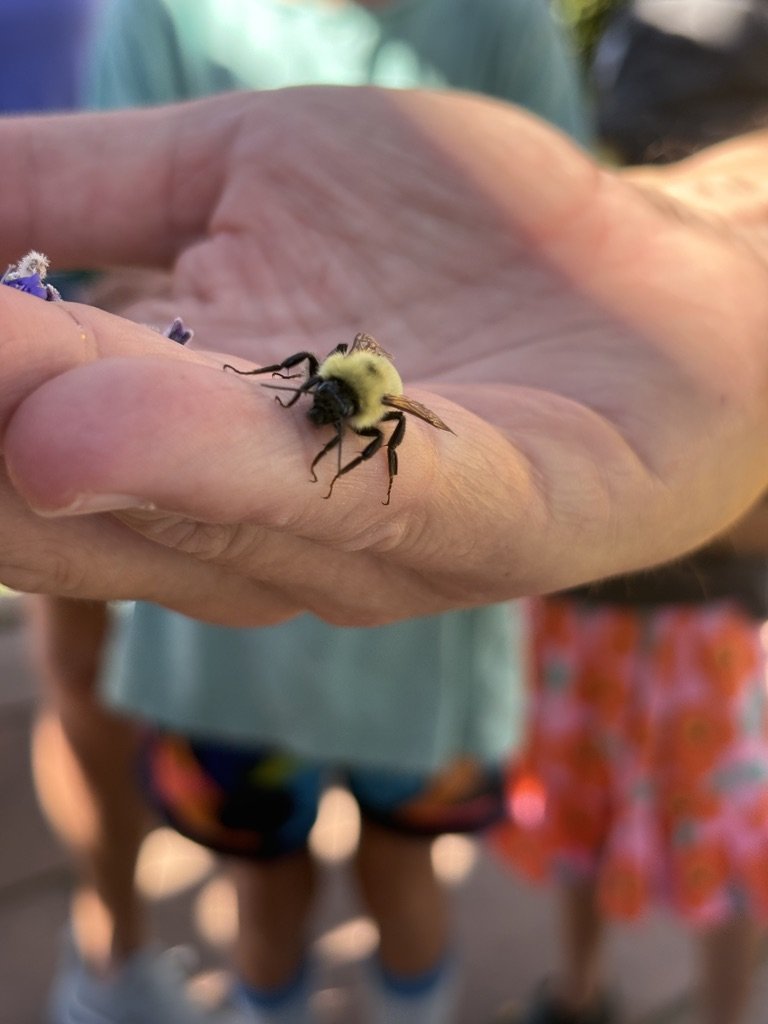
Recently, we participated in a community bumblebee survey organized by Environment Colorado on behalf of the Xerces Society for Invertebrate Conservation. It brought together families, children, neighbors, and the district’s state representative in learning more about the importance of tracking Colorado’s native bee populations. We spent time observing, identifying, and documenting bumblebee data, but the experience was about much more than the survey itself.
Children were outside discovering the importance of native bumblebees. Families were learning together. Neighbors were sharing observations and curiosity about the natural world.
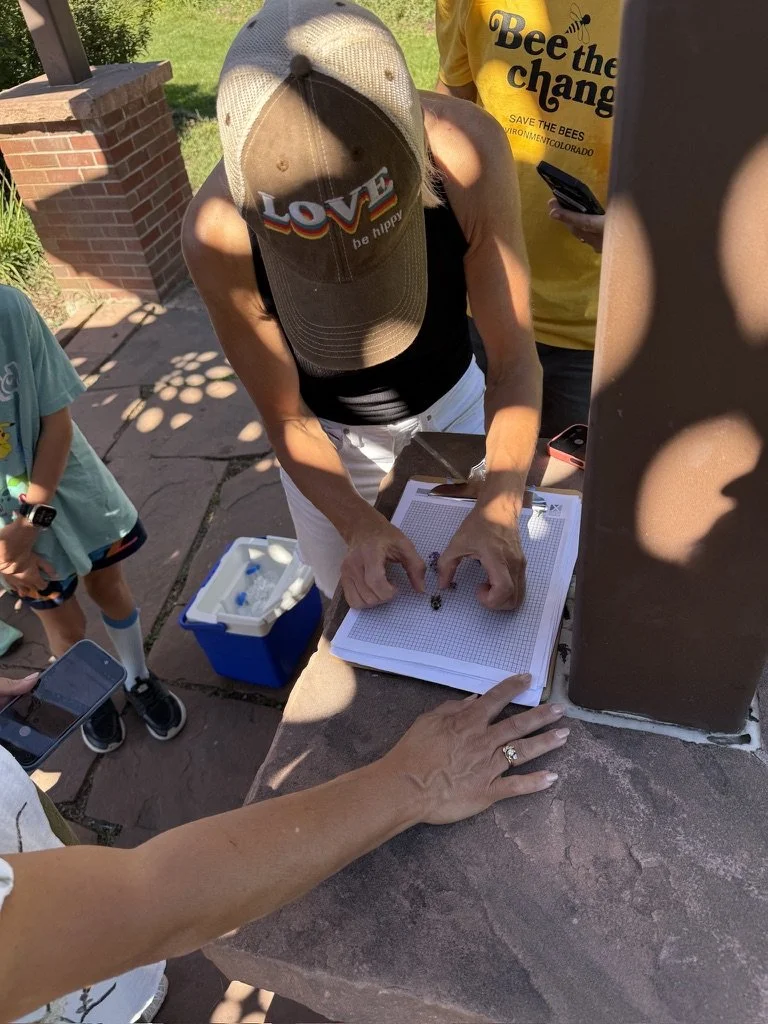
Collecting native bumblebee data
These experiences matter.
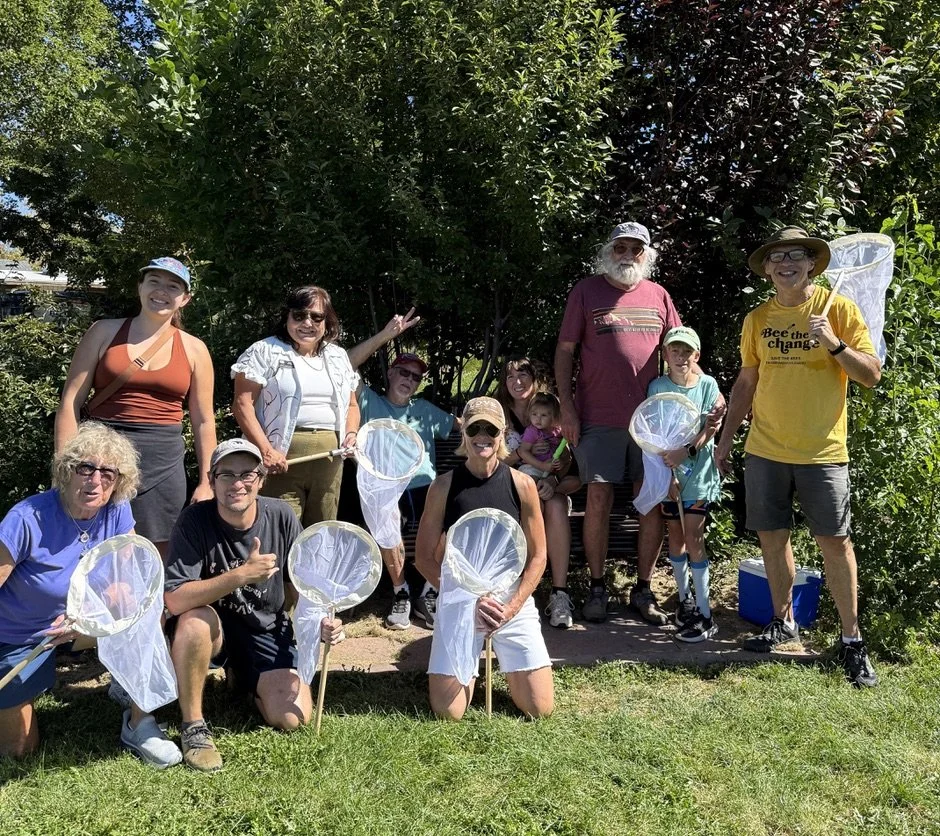
Neighborhood bumblebee survey
When a child stops to watch a bumblebee visiting a flower, they begin to understand the importance of habitat gardens. When a family learns which native plants support pollinators, they may think differently about their own landscape. When neighbors begin talking about what they are seeing in their yards, individual gardens become part of a larger conversation. This is how connection begins. And connection is an important first step toward stewardship.
From Individual Gardens to Community Habitat
The Washington Park Pollinator Corridor is another example of what can happen when we think beyond the boundaries of our own property.
One pollinator garden provides habitat. But when gardens, parks, and other planted spaces begin connecting across a neighborhood, they can become part of a larger network that supports pollinators and biodiversity.
The same is true of community. The Washington Park East Neighborhood Association recently gathered at the Carriage House Garden that we designed and installed this spring. It was a wonderful example of people coming together around a shared appreciation for neighborhood community improvements, environmental actions like the Washington Park Pollinator Corridor, and one another. The garden became a place for conversation, learning, and connection.
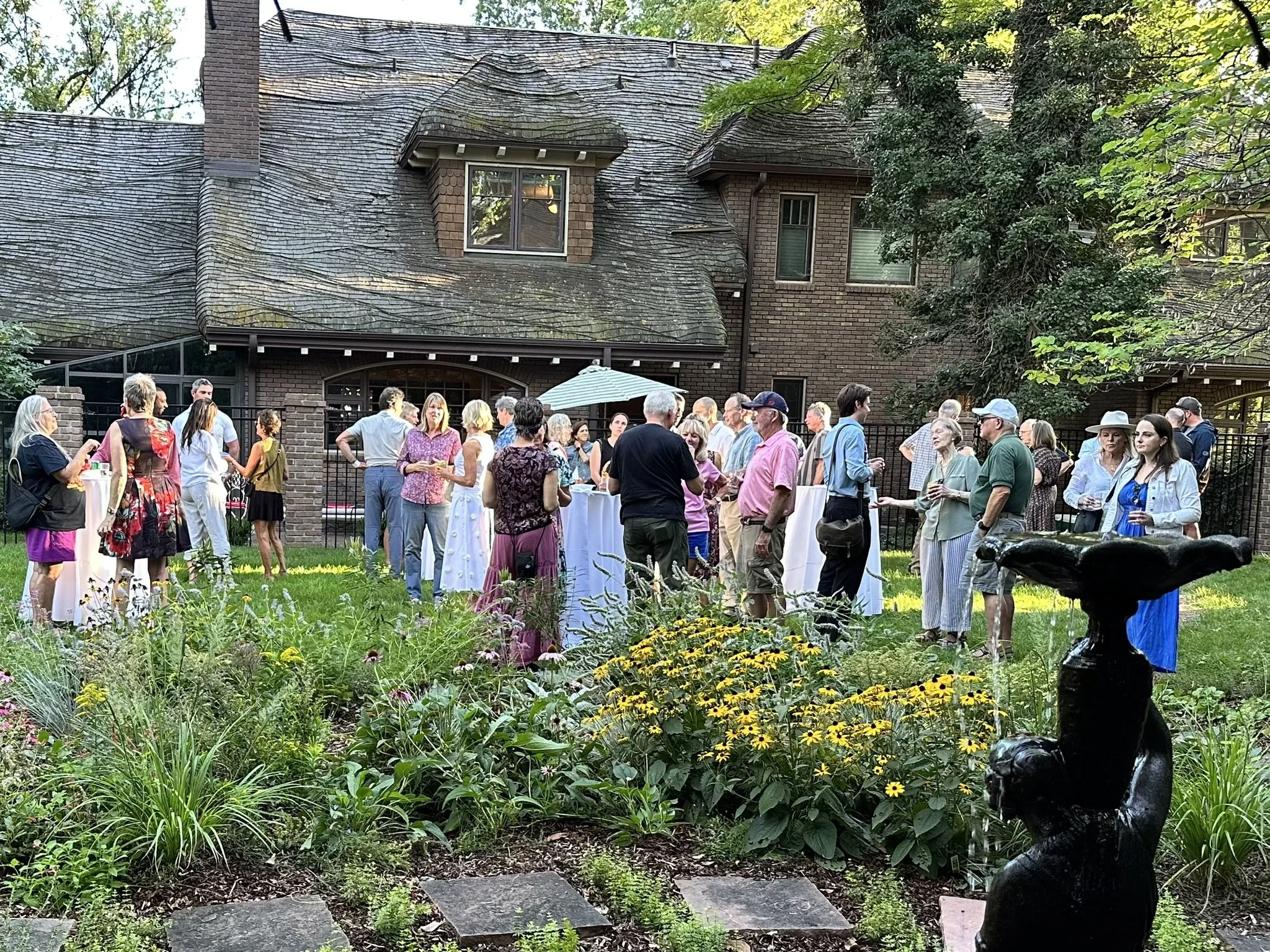
Washington Park Pollinator Corridor at the Carriage House Garden - photo courtesy of Glenda Cebrian Photography
These gatherings may seem simple, but they are important.
We need places where people can slow down, get outside, meet their neighbors, and reconnect with the natural world. We need opportunities to remember that we are part of an ecosystem, not separate from it.
Honeywood's Role in the Community
Giving back and participating in our community is not something we see as separate from our work at Honeywood. It is part of the work.
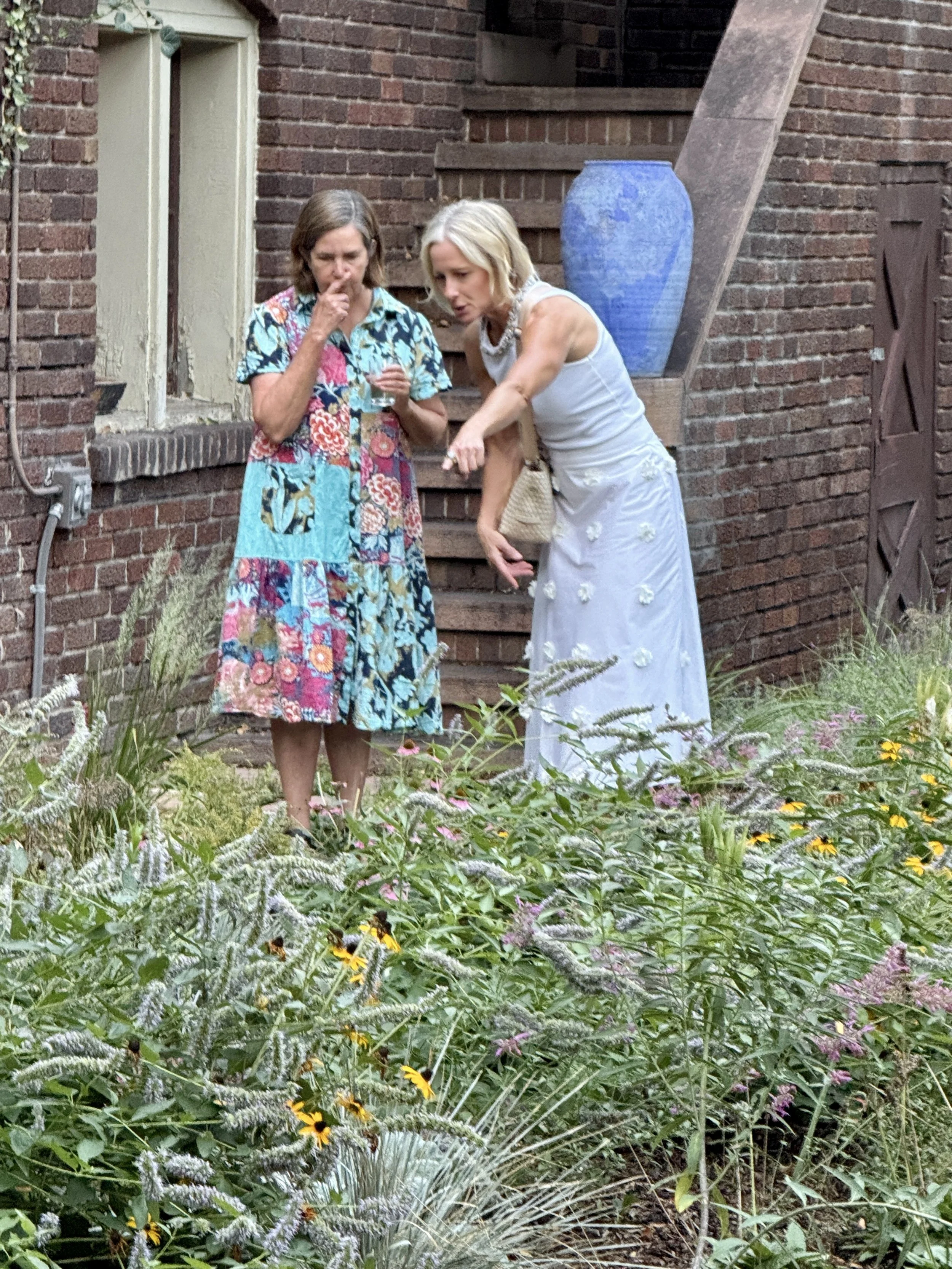
Photo courtesy of Glenda Cebrian Photography
We believe that creating regenerative landscapes also means helping build a stronger culture of environmental stewardship.
That can mean participating in community sustainability, sharing knowledge, supporting local organizations, speaking about regenerative gardening, connecting people with resources, and creating opportunities for people to engage with the natural world.
It also means supporting organizations whose work aligns with our values, including People and Pollinator Action Network, Environmental Colorado, Wild Ones, Xerces Society, Colorado Native Plant Society, Denver Climate Project, and Homegrown National Park.
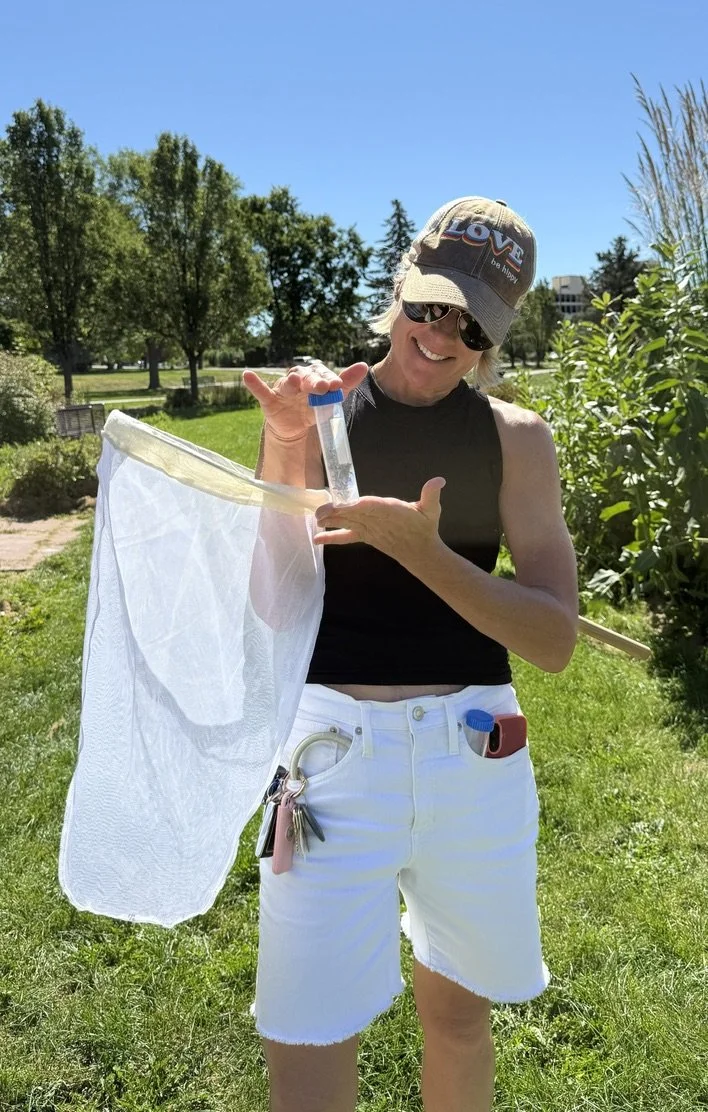
Collecting native bumblebees
These organizations are doing important work around pollinators, native plants, wildlife, climate, conservation, and environmental education. Supporting that work through donations, participation, volunteering, education, and advocacy is another way we can contribute beyond the gardens we design.
We don't believe Honeywood has to do everything. But we do believe we have a responsibility to contribute.
Stewardship Starts Where You Live
Being a responsible land steward doesn't require owning a large property or becoming an environmental expert. It starts with paying attention to the place where you live.
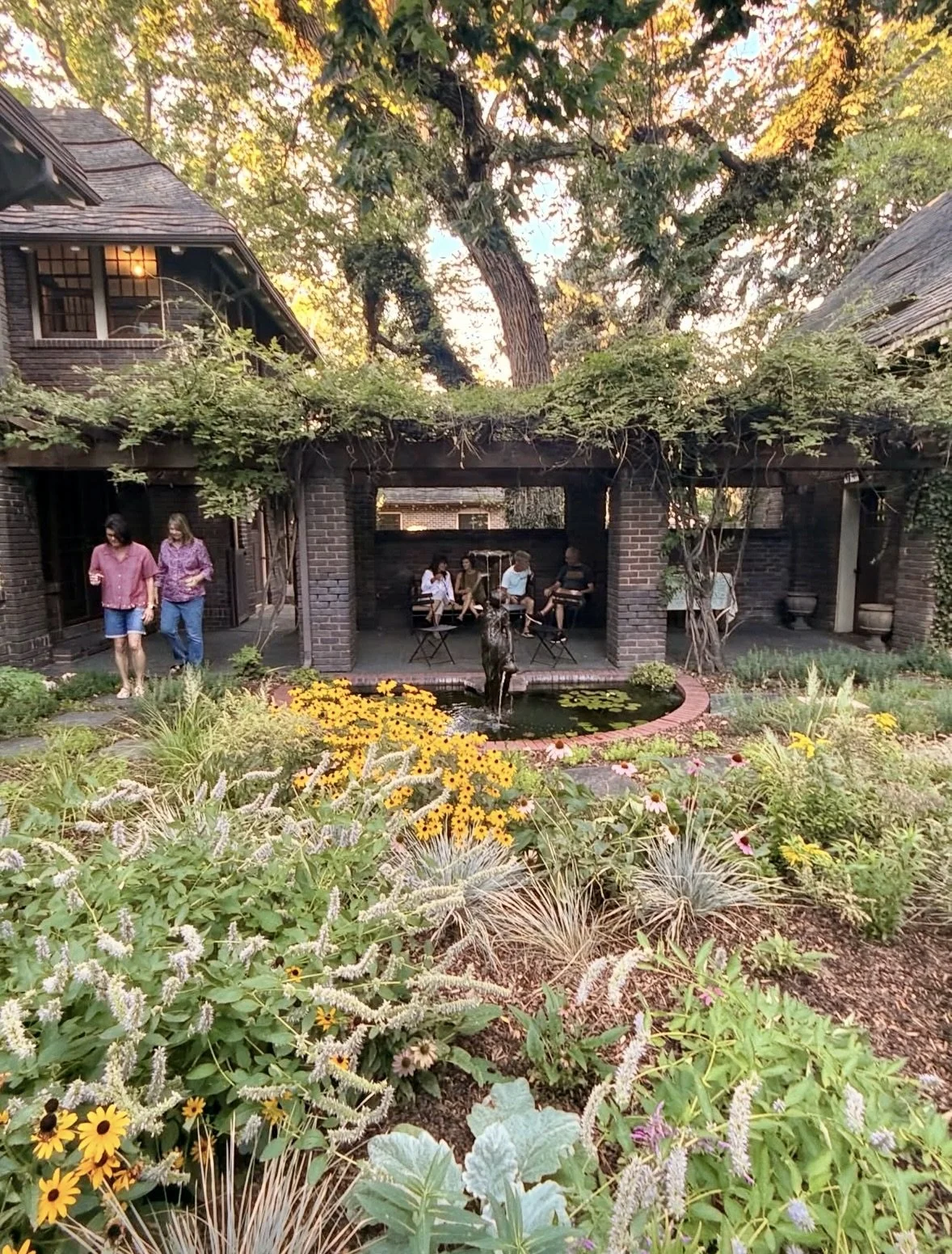
Photo courtesy of Glenda Cebrian
What plants are growing there?
What pollinators are visiting?
How healthy is your soil?
How much water does your landscape require?
Are you providing habitat?
Are you using products that harm the organisms you are trying to support?
And perhaps most importantly, how can your landscape contribute to the larger community?
Maybe that means replacing part of your lawn with native plants.
Small changes matter. You don't have to change everything at once.
Maybe it means creating habitat for pollinators.
Maybe it means leaving leaves and natural plant material in your garden rather than removing everything in the fall.
Maybe it means participating in a community science project, volunteering, supporting an environmental organization, or talking with your neighbors about what you are learning.
One garden can inspire another. One conversation can lead to another. One neighborhood can become a pollinator corridor. One group of engaged residents can influence how their community thinks about land, water, habitat, and conservation.
And sometimes, that community voice can extend to our local and state representatives.
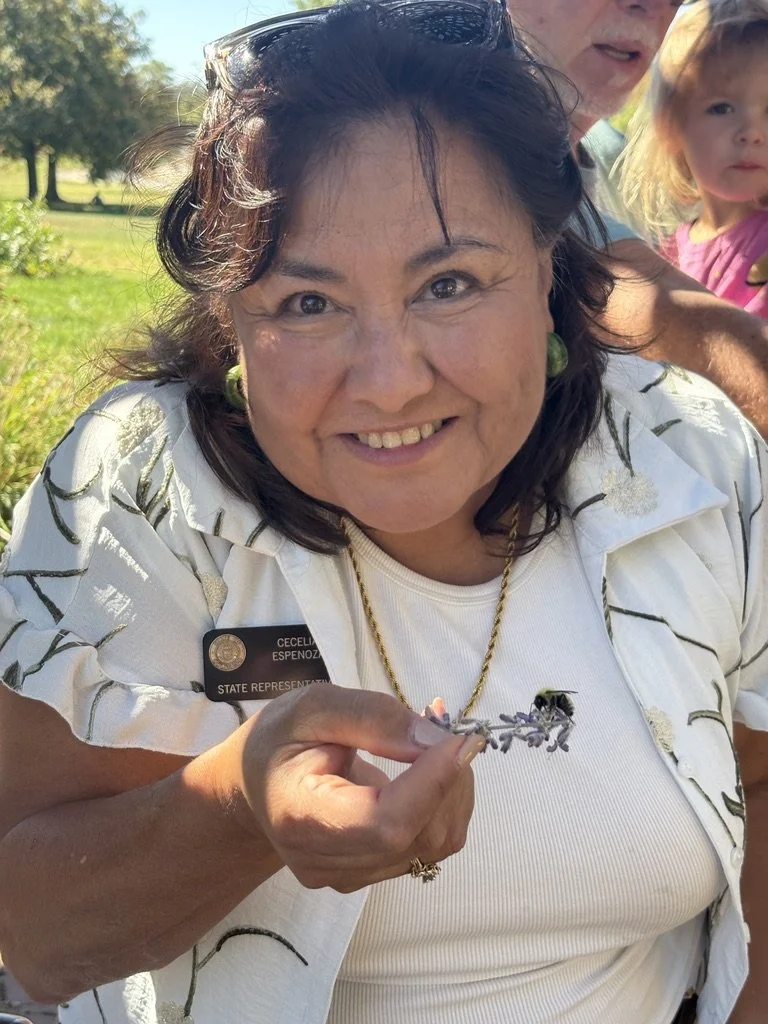
Colorado State Representative Cecelia Espenoza
If we want meaningful environmental change, we have to participate in the conversation. Tell your representatives what matters to you. Ask what they are doing to protect pollinators, habitat, water, and biodiversity. Invite them into the community and help them understand what is happening on the ground.
Change doesn't happen only at the policy level. It happens in our backyards, our neighborhoods, and in the conversations we have with one another.
We Need Connection More Than Ever
We are living through a time of significant environmental uncertainty.
Drought, extreme heat, water challenges, habitat loss, declining biodiversity, and changes in our climate can feel overwhelming. It is easy to ask how one person or one garden can make a difference. Regenerative thinking asks us to look at the bigger picture.
We are not working alone.
Our gardens are connected.
Our communities are connected.
Our actions are connected.
When we create healthier soil, plant native species, protect pollinators, conserve water, and create habitat, we are contributing to something larger than our individual property. And when we do those things together, the impact becomes even greater.
At Honeywood, we believe beautiful landscapes can also be places of learning, connection, habitat, and community.
That is why we participate.
That is why we give back.
That is why we share what we know.
And that is why community is an important part of regeneration.
Regenerating the land also means rebuilding our relationship with the land and with each other.
It starts small. It starts where we live. It starts with each of us asking a simple question:
What can I do to make this place a little healthier than I found it?
Honeywood Garden Design helps you create and build regenerative landscapes.